Castor
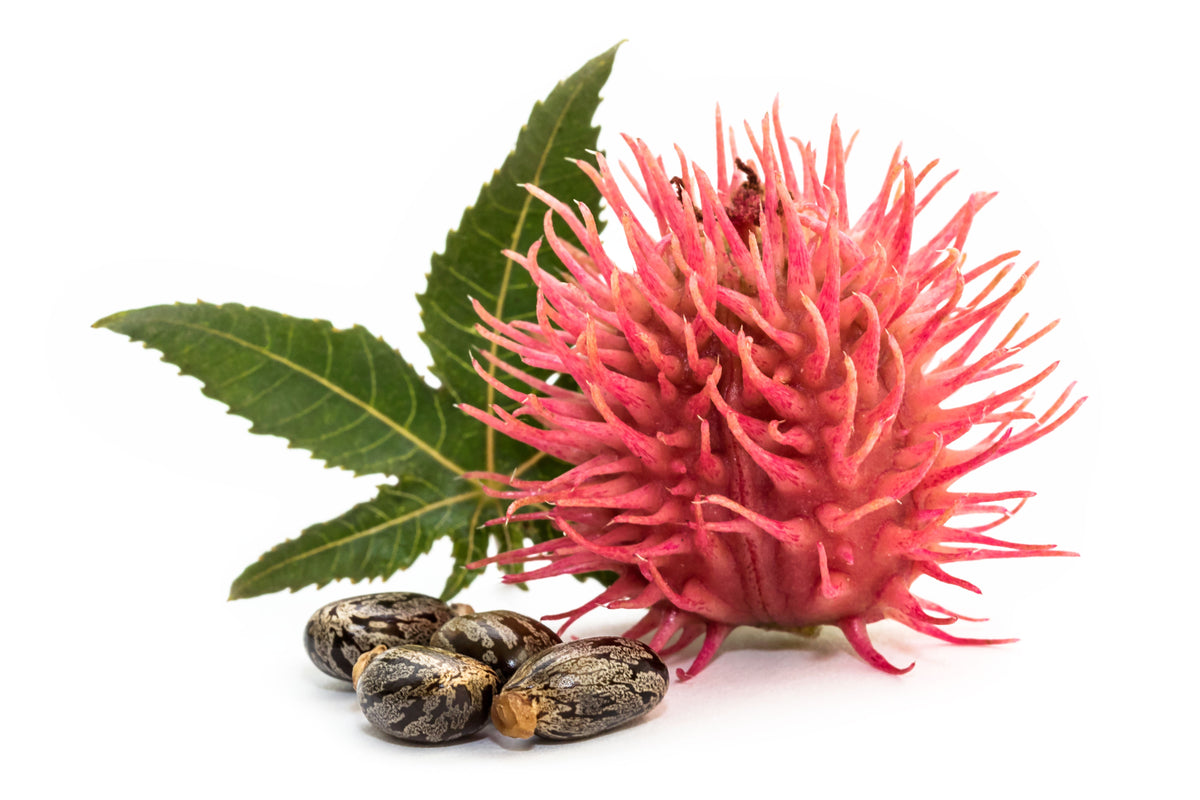
Castor oil is a thick, nutrient-rich oil extracted from the seeds of the castor plant, prized in skincare for its deep moisturizing, anti-inflammatory, and healing properties, primarily due to its high ricinoleic acid content.
DESCRIPTION
Castor oil is derived from the seeds of Ricinus communis, a flowering plant native to eastern Africa, India, and the Mediterranean, now cultivated globally in tropical and subtropical regions. In skincare, it is obtained through cold-pressing the castor beans, resulting in a pale yellow, viscous oil rich in ricinoleic acid (about 85–95% of its fatty acid content), along with smaller amounts of oleic and linoleic acids, vitamin E, and triglycerides. Known for its emollient and humectant qualities, castor oil is a staple in products like moisturizers, lip balms, cleansers, hair treatments, and serums. Its thick texture and glossy finish also make it a popular base in DIY skincare recipes and natural beauty products. On ingredient lists, it appears as "castor oil," "Ricinus communis seed oil," or "castor seed oil." While celebrated for its benefits, raw castor beans contain ricin, a toxic protein neutralized during processing, ensuring the oil is safe for topical use. Its heavy consistency often requires blending with lighter oils (e.g., jojoba or almond) to improve spreadability and avoid clogging pores, especially for acne-prone skin.
BENEFITS
Castor oil offers multiple skincare benefits:
Deep Moisturization: Its high ricinoleic acid content locks in moisture and softens skin, making it ideal for treating dryness, rough patches, or cracked heels.
Anti-Inflammatory: Ricinoleic acid reduces inflammation, soothing irritated skin and alleviating conditions like eczema, psoriasis, or minor burns.
Wound Healing: It promotes tissue repair and regeneration, accelerating the healing of cuts, scars, or stretch marks by stimulating collagen and elastin production.
Antimicrobial Properties: Its natural antibacterial and antifungal effects help combat acne-causing bacteria and maintain skin clarity, though it’s best used sparingly on oily skin to avoid comedogenicity.
Skin Conditioning: Rich in fatty acids and vitamin E, it enhances skin suppleness, reduces the appearance of fine lines, and provides a protective barrier against environmental damage.
Note: While generally safe, castor oil’s thickness can clog pores in some cases, particularly for acne-prone individuals, so it’s often most effective when diluted or used in targeted applications (e.g., spot treatments or overnight masks). Allergic reactions are rare but possible, so patch testing is advised.
SOURCE
Canada