



Cistus
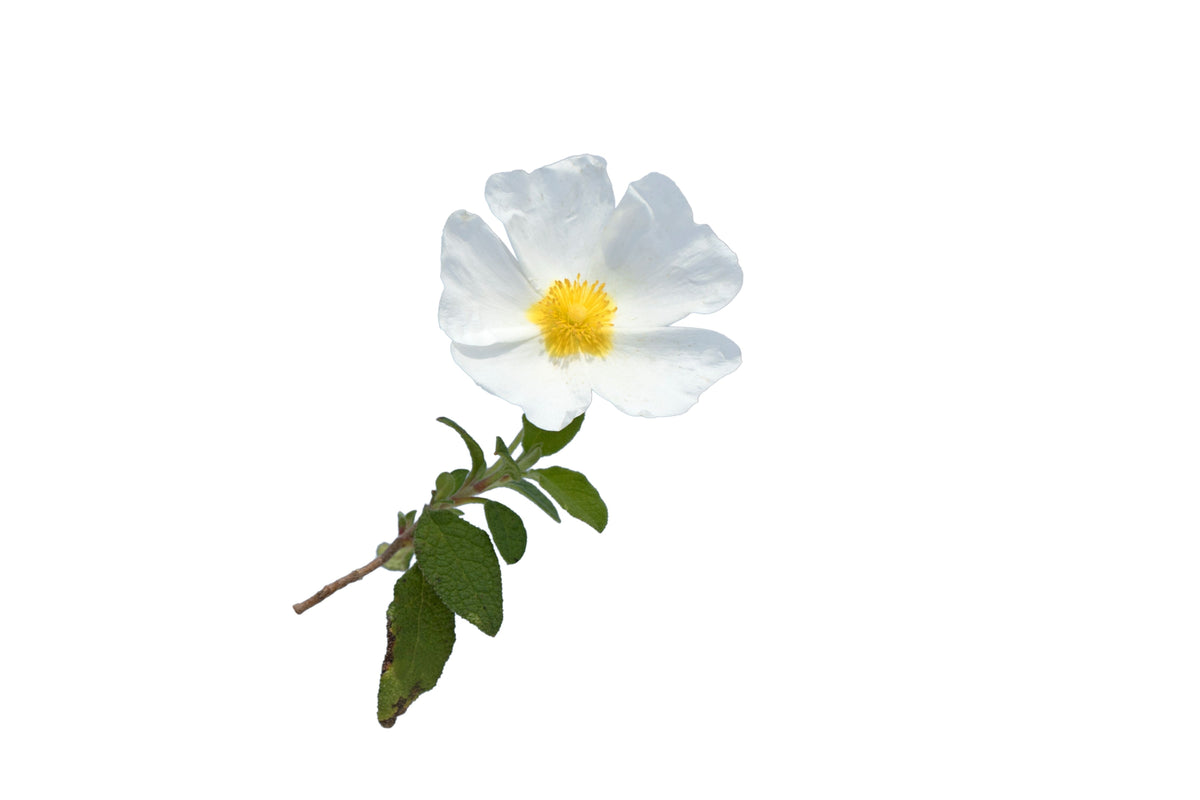
Cistus, also known as rockrose or labdanum, is a Mediterranean shrub used in skincare as an essential oil or extract, prized for its astringent, regenerative, and calming properties, driven by its rich content of monoterpenes and resinous compounds.
DESCRIPTION
Cistus, scientifically Cistus ladaniferus, is an evergreen shrub from the Cistaceae family, native to the western Mediterranean, particularly Spain, Portugal, and Morocco, thriving in dry, rocky soils. In skincare, it’s typically used as an essential oil (steam-distilled from leaves and twigs) or an extract (from its resin or plant parts), yielding a warm, amber-hued oil with a deep, resinous, balsamic scent. It’s rich in monoterpenes (like alpha-pinene and camphene), sesquiterpenes, and labdanum resin, a sticky exudate historically prized in perfumery as "labdanum." It appears in serums, creams, balms, and toners, listed as "cistus oil," "Cistus ladaniferus oil," "rockrose extract," or "labdanum extract." Known in traditional medicine for wound healing and its grounding aroma, cistus brings these benefits to skincare, excelling in repair and oil control. Its potency requires dilution (e.g., with carrier oils), aligning with targeted use in natural, high-efficacy formulations.
BENEFITS
Cistus offers several skincare benefits:
Regenerative: Promotes cell turnover and tissue repair, fading scars, stretch marks, and fine lines, ideal for mature or damaged skin.
Astringent: Tightens pores and regulates sebum, reducing oiliness and refining texture, perfect for oily or acne-prone skin.
Calming: Anti-inflammatory properties soothe irritation, redness, and sensitivity, supporting stressed or reactive skin.
Antioxidant Protection: Monoterpenes and phenolic compounds shield skin from free radicals, slowing environmental damage and aging signs.
Antimicrobial: Helps combat bacteria and fungi, aiding in blemish control and maintaining skin clarity without harshness.
Note: Cistus is generally safe when diluted but may irritate sensitive skin or cause allergic reactions in high concentrations. Patch testing is advised, and its strong scent might overwhelm some users if not blended carefully.
SOURCE
Canada