Evening Primrose
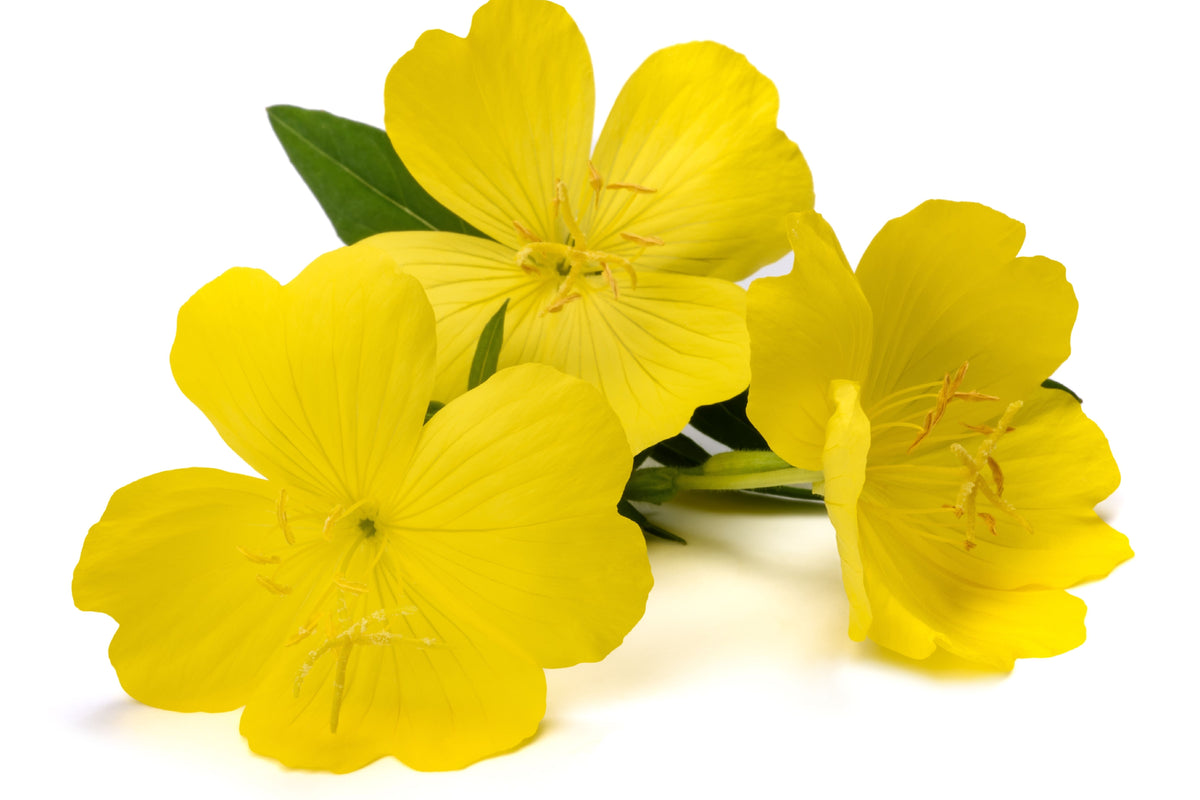
Evening primrose oil is a nutrient-rich oil extracted from the seeds of the evening primrose plant, valued in skincare for its moisturizing, anti-inflammatory, and skin-repairing properties, thanks to its high gamma-linolenic acid (GLA) content.
DESCRIPTION
Evening primrose, scientifically known as Oenothera biennis, is a biennial wildflower native to North America, now also grown in Europe and parts of Asia, thriving in temperate climates. The oil is cold-pressed from its small, dark seeds, yielding a golden-yellow oil with a mild, nutty scent. It’s rich in essential fatty acids, particularly linoleic acid (about 70%) and gamma-linolenic acid (GLA, 8–10%), alongside smaller amounts of oleic acid, vitamin E, and phytosterols. In skincare, evening primrose oil is a staple in moisturizers, serums, face oils, and balms, appearing as "evening primrose oil," "Oenothera biennis seed oil," or "primrose oil." Known in herbal medicine for its anti-inflammatory benefits, it translates these qualities to skincare, targeting dry, irritated, or aging skin. Its lightweight yet nourishing texture absorbs well, making it suitable for most skin types, though its richness shines for dry or sensitive complexions. The oil’s stability and emollient nature also make it a popular carrier oil in natural formulations, often blended with lighter oils or actives.
BENEFITS
Evening primrose oil offers several skincare benefits:
Moisturizing: High linoleic acid and GLA hydrate and soften skin, reinforcing the skin barrier and relieving dryness, ideal for rough or flaky patches.
Anti-Inflammatory: GLA reduces inflammation, soothing redness, irritation, or conditions like eczema, psoriasis, and acne, especially for sensitive skin.
Anti-Aging: It supports skin elasticity and repair, minimizing fine lines and improving texture, thanks to its fatty acids and vitamin E working to combat oxidative stress.
Healing: Promotes cell regeneration and strengthens skin, aiding in the recovery of scars, blemishes, or environmental damage.
Balancing: Helps regulate sebum production, offering nourishment without clogging pores, benefiting both dry and combination skin types.
Note: Evening primrose oil is generally non-comedogenic but may feel rich for very oily skin unless diluted. Those with plant allergies should patch-test, though reactions are rare.
SOURCE
Canada