Geranium
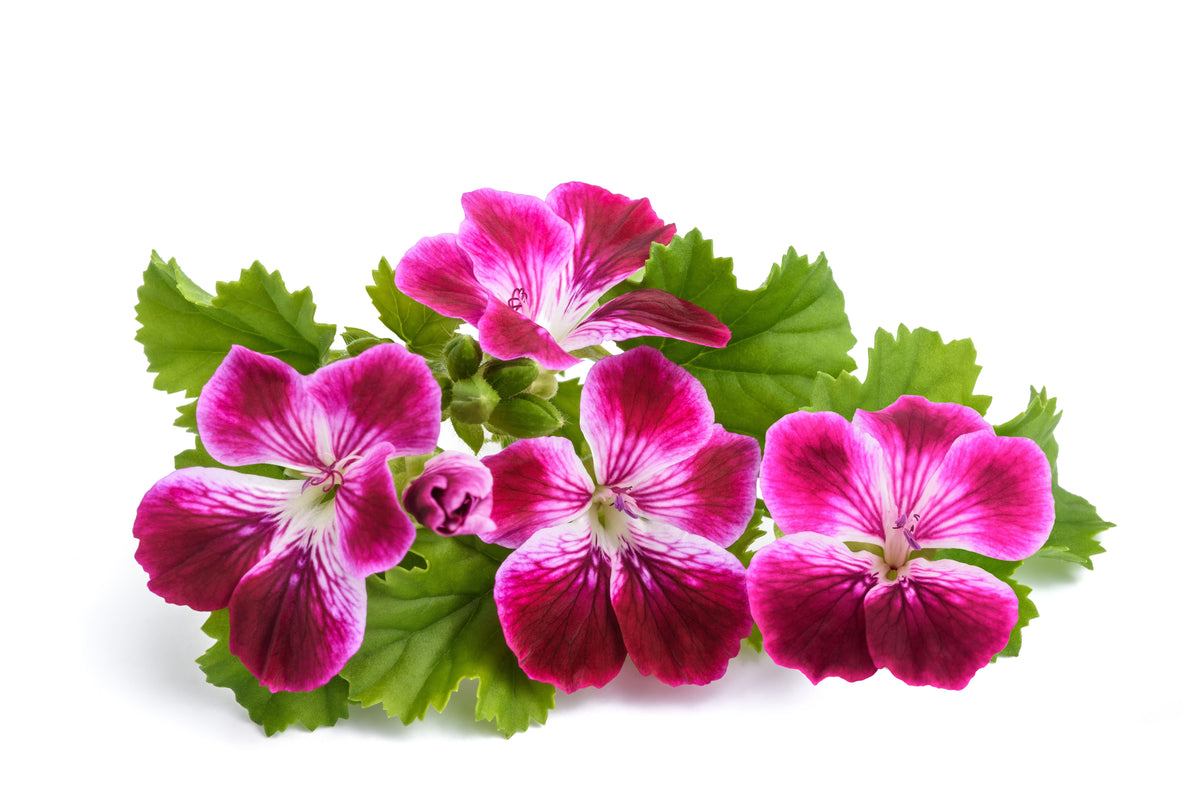
Geranium is a fragrant flowering plant used in skincare as an essential oil, valued for its balancing, anti-inflammatory, and astringent properties, driven by its rich content of citronellol and geraniol.
DESCRIPTION
Geranium, scientifically Pelargonium graveolens, is a perennial plant from the Geraniaceae family, native to South Africa and widely cultivated in regions like Egypt, France, and Réunion Island (where it’s called "rose geranium"). In skincare, it’s primarily used as an essential oil, steam-distilled from its leaves and flowers, producing a pale green to amber oil with a sweet, rosy-floral scent reminiscent of rose oil (though distinct). It’s rich in monoterpenols—citronellol (20–40%) and geraniol (10–20%)—along with linalool, esters, and traces of phenolic compounds. It appears in toners, creams, serums, and oils, listed as "geranium oil," "Pelargonium graveolens oil," or "geranium essential oil." Used historically in aromatherapy and Victorian perfumery, geranium’s skincare benefits stem from its ability to balance sebum and soothe skin, making it a staple in natural formulations. Its potency requires dilution (e.g., with carrier oils), aligning with targeted use for oily, sensitive, or aging skin.
BENEFITS
Geranium offers several skincare benefits:
Balancing: Regulates sebum production, reducing oiliness in acne-prone skin while hydrating dry areas, ideal for combination or hormonal skin.
Anti-Inflammatory: Citronellol and linalool soothe irritation, redness, and inflammation, calming acne, eczema, or stressed skin.
Astringent: Tightens pores and firms skin, refining texture and minimizing shine, beneficial for oily or congested complexions.
Antioxidant Protection: Geraniol and phenolic compounds neutralize free radicals, protecting against environmental damage and slowing fine lines.
Aromatic Uplift: Its uplifting, floral scent reduces stress and enhances the skincare experience, offering aromatherapy benefits.
Note: Geranium oil is generally safe when diluted but may irritate sensitive skin or cause allergic reactions in those sensitive to Pelargonium species. Patch testing is advised, and it’s non-phototoxic, making it versatile for day or night use.
SOURCE
Canada