Hibiscus
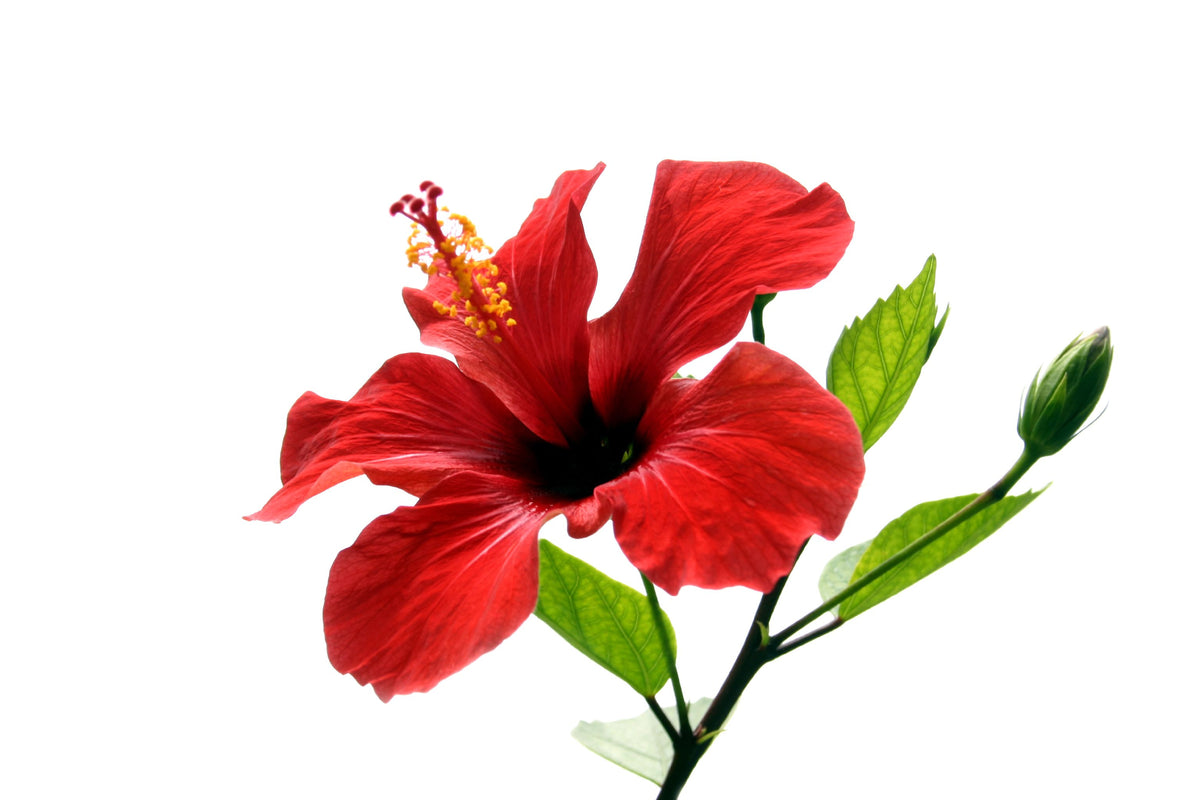
Hibiscus, often called roselle, is a vibrant flower used in skincare as an extract or powder, celebrated for its antioxidant, exfoliating, and firming properties, thanks to its rich content of anthocyanins, AHAs, and vitamin C.
DESCRIPTION
Hibiscus, scientifically known as Hibiscus sabdariffa, is a flowering plant from the Malvaceae family, native to West Africa and Southeast Asia, now widely cultivated in tropical and subtropical regions like India, Egypt, and the Caribbean. In skincare, it’s typically used as an extract (from its deep red calyces or petals via water or solvent extraction) or as a dried powder, preserving its bioactive compounds: anthocyanins, alpha-hydroxy acids (AHAs like citric and malic acids), vitamin C, flavonoids, and mucilage (a natural polysaccharide). It appears in masks, serums, toners, and creams, listed as "hibiscus extract," "Hibiscus sabdariffa flower extract," or "hibiscus powder." Known as the "Botox plant" in beauty circles for its firming effects, hibiscus brings a tart, floral scent and vivid color to products, aligning with natural and clean beauty trends. Its exfoliating and hydrating qualities make it a favorite in K-beauty and DIY recipes, often paired with soothing ingredients to balance its potency.
BENEFITS
Hibiscus offers several skincare benefits:
Antioxidant Protection: Anthocyanins and vitamin C neutralize free radicals, protecting skin from UV damage, pollution, and premature aging signs like wrinkles.
Exfoliation: Natural AHAs gently slough off dead skin cells, unclogging pores and smoothing texture, ideal for dull or uneven skin.
Firming: Mucilage and antioxidants boost elasticity and firmness, reducing sagging and fine lines for a lifted, youthful appearance.
Brightening: Vitamin C and AHAs fade hyperpigmentation, dark spots, and discoloration, enhancing radiance and evenness over time.
Hydration: Mucilage retains moisture, plumping and softening skin, countering the drying effects of its exfoliants, suitable for dry or tired complexions.
Note: Hibiscus is generally safe but may cause tingling or irritation from AHAs on sensitive skin, especially in high concentrations. Patch testing is recommended, and it’s best balanced with hydrators for optimal comfort.
SOURCE
Canada