Horse Chestnut
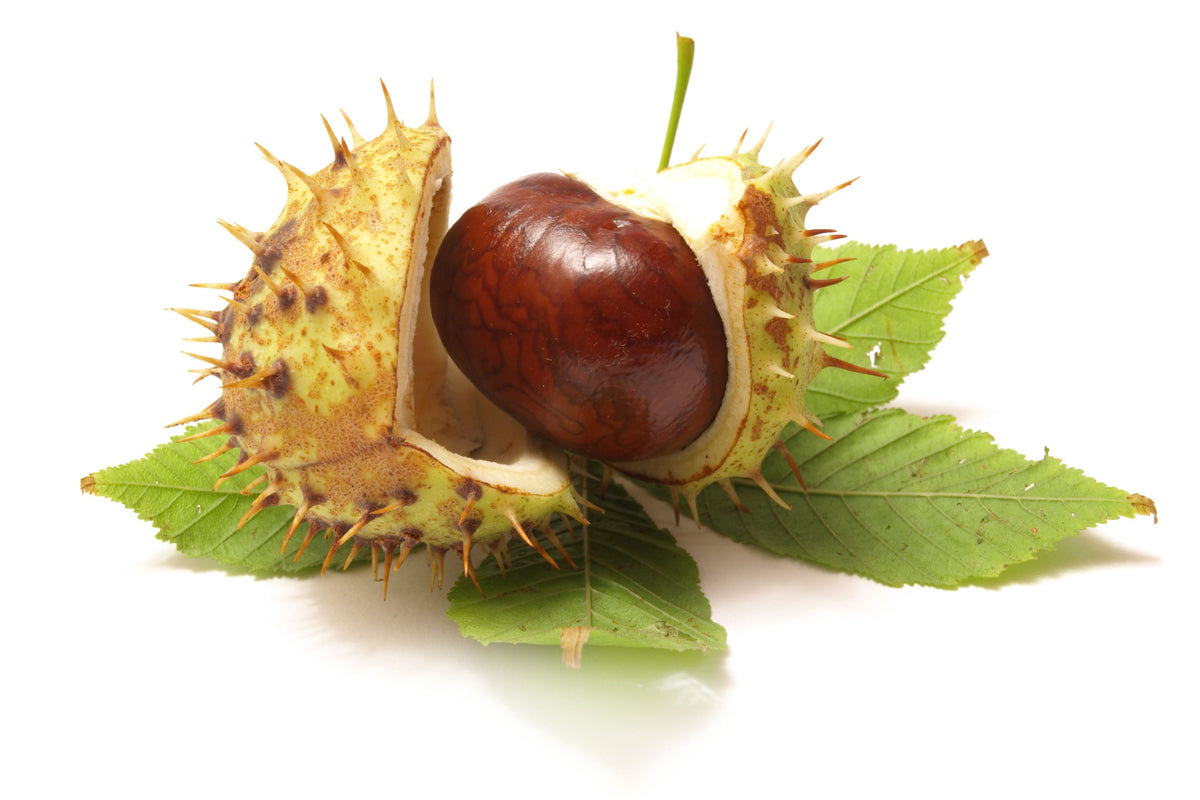
Horse chestnut is a tree-derived ingredient used in skincare as an extract, prized for its anti-inflammatory, vein-strengthening, and antioxidant properties, primarily due to its active compound, aescin.
DESCRIPTION
Horse chestnut, scientifically known as Aesculus hippocastanum, is a large deciduous tree native to the Balkans, now widely cultivated across Europe and North America for ornamental and medicinal purposes. In skincare, it’s typically utilized as an extract from its seeds (often called "conkers"), bark, or leaves, obtained through water or alcohol extraction processes. The key active compound is aescin (or escin), a mixture of saponins making up 3–6% of the seed, alongside flavonoids, coumarins, and tannins. Horse chestnut extract appears in creams, serums, eye treatments, and body lotions, listed as "horse chestnut extract," "Aesculus hippocastanum seed extract," or "aescin." Known in herbal medicine for improving circulation and reducing swelling, it’s a go-to in skincare for addressing puffiness, dark circles, and redness, particularly around the eyes or in products targeting tired skin. Its slightly earthy scent is subtle in formulations, and it’s often paired with hydrating or soothing agents to enhance comfort and efficacy.
BENEFITS
Horse chestnut offers several skincare benefits:
Reduces Puffiness: Aescin strengthens capillaries and improves microcirculation, minimizing fluid retention and swelling, ideal for under-eye bags or tired skin.
Anti-Inflammatory: It soothes irritation and redness, calming sensitive or inflamed skin, including conditions like rosacea or post-sun exposure.
Antioxidant Protection: Flavonoids and tannins neutralize free radicals, protecting against oxidative stress and supporting skin resilience against aging.
Brightens Skin: Enhanced circulation helps reduce dark circles and promotes a more even, radiant complexion over time.
Firms and Tones: By supporting vascular health and reducing leakage, it contributes to firmer, tighter skin, particularly in anti-aging or lifting formulations.
Note: Horse chestnut is generally safe in skincare but can cause irritation or allergic reactions in high concentrations or for those sensitive to saponins. Patch testing is recommended, and raw seeds are toxic if ingested, though processed extracts are safe for topical use.
SOURCE
Canada