Jojoba
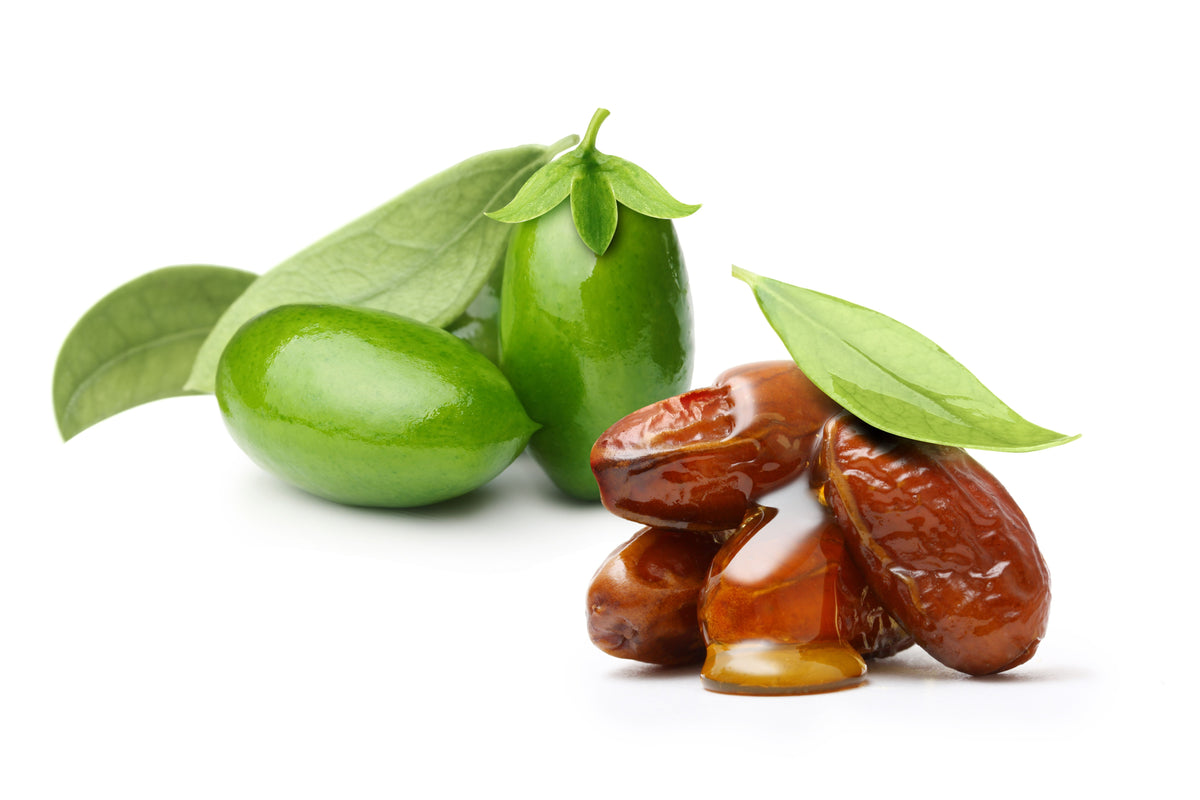
Jojoba oil is a liquid wax extracted from the seeds of the jojoba plant, renowned in skincare for its moisturizing, balancing, and non-comedogenic properties, closely resembling human sebum due to its unique fatty acid esters.
DESCRIPTION
Jojoba, scientifically known as Simmondsia chinensis, is a desert shrub native to the southwestern United States and northwestern Mexico, thriving in arid climates like Arizona and Sonora. The oil—technically a wax ester—is cold-pressed from its leathery, brown seeds, yielding a golden, odorless liquid with exceptional stability. Unlike typical plant oils, jojoba is composed of long-chain fatty acid esters (primarily eicosenoic acid, around 70%), mimicking the skin’s natural sebum, with small amounts of vitamin E, minerals, and phytosterols. It’s a staple in moisturizers, serums, cleansers, and hair products, listed as "jojoba oil," "Simmondsia chinensis seed oil," or "jojoba wax." Widely used by Native Americans for skin and hair care, jojoba has become a modern skincare essential due to its lightweight, non-greasy texture and versatility across all skin types. Its shelf life (up to 5 years without rancidity) and compatibility make it a popular carrier oil in natural formulations.
BENEFITS
Jojoba oil offers several skincare benefits:
Moisturizing: Mimics sebum to hydrate deeply, softening skin and preventing dryness without a heavy feel, ideal for dry or flaky complexions.
Sebum Balance: Regulates oil production, reducing excess shine in oily skin while nourishing dry areas, making it perfect for combination skin.
Non-Comedogenic: Won’t clog pores, supporting clear skin and benefiting acne-prone types by dissolving excess sebum and impurities.
Antioxidant Protection: Vitamin E and phytosterols shield skin from free radicals, slowing environmental damage and aging signs like fine lines.
Soothing: Mild anti-inflammatory properties calm irritation, redness, or sensitivity, aiding conditions like eczema or sunburn recovery.
Note: Jojoba oil is highly tolerated with a low risk of irritation, though those with rare sensitivities to the plant should patch-test. Its lightweight nature may need pairing with richer oils for extremely dry skin.
SOURCE
Canada