Licorice
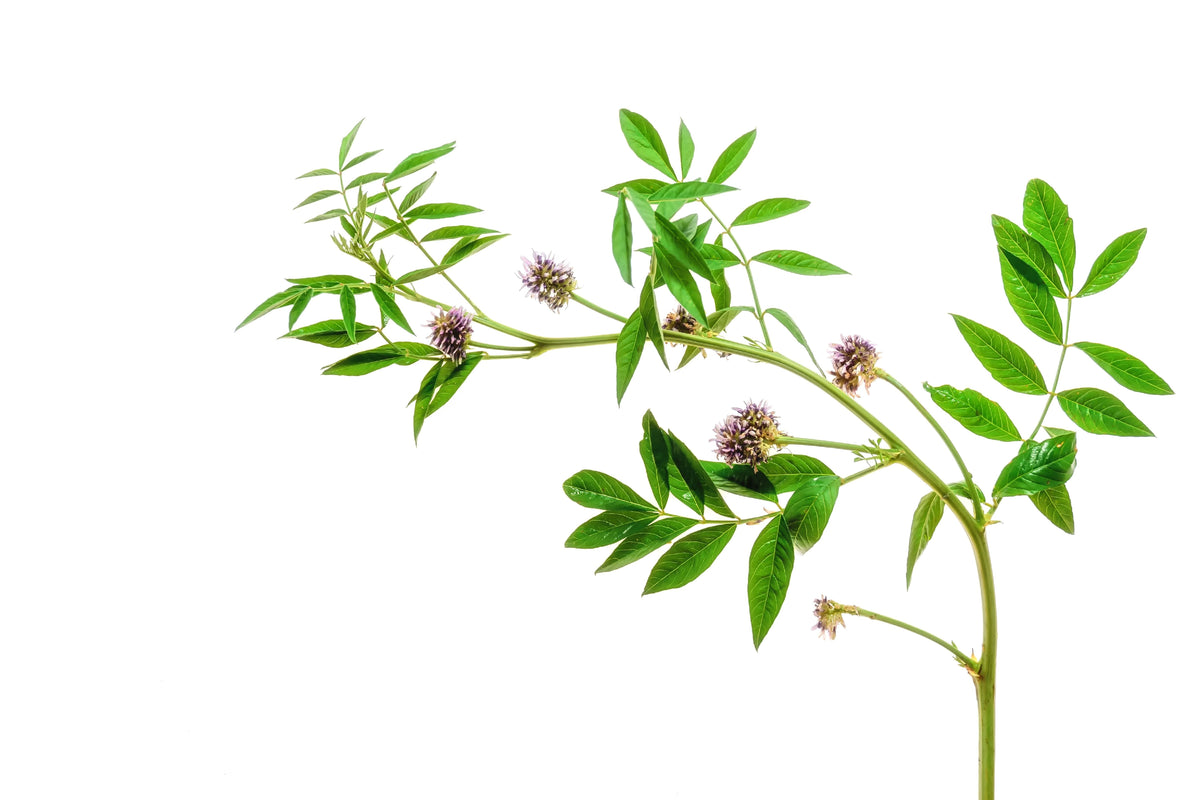
Licorice root extract, derived from the licorice plant, is a potent herbal ingredient used in skincare for its brightening, anti-inflammatory, and antioxidant properties, powered by compounds like glabridin and glycyrrhizin.
DESCRIPTION
Licorice, scientifically known as Glycyrrhiza glabra, is a perennial legume from the Fabaceae family, native to southern Europe, the Middle East, and parts of Asia, with roots harvested for their sweet, aromatic properties. In skincare, it’s typically used as an extract from the plant’s rhizomes and roots, obtained through water or alcohol extraction, concentrating its key actives: glabridin (a flavonoid), glycyrrhizin (a saponin), liquiritin, and phenolic compounds. It appears in serums, creams, toners, and masks, listed as "licorice extract," "Glycyrrhiza glabra root extract," or "licorice root extract." Used in Traditional Chinese and Ayurvedic medicine for centuries, licorice has become a skincare favorite, especially in Asian beauty routines, for its ability to even skin tone and soothe irritation. Its subtle, earthy scent blends well in formulations, and its gentle yet effective nature suits most skin types, particularly those with hyperpigmentation or sensitivity.
BENEFITS
Licorice root extract offers several skincare benefits:
Brightening: Glabridin inhibits tyrosinase (a melanin-producing enzyme), fading dark spots, hyperpigmentation, and sun damage for a more even, radiant tone.
Anti-Inflammatory: Glycyrrhizin soothes redness, irritation, and inflammation, calming conditions like acne, rosacea, or eczema.
Antioxidant Protection: Phenolic compounds neutralize free radicals, protecting skin from environmental stress and reducing early aging signs like fine lines.
Soothing: Reduces sensitivity and discomfort, making it ideal for reactive or stressed skin, with a gentle, non-irritating action.
Hydration Support: Enhances moisture retention when paired with humectants, contributing to a soft, balanced complexion.
Note: Licorice extract is generally safe and well-tolerated, but those with allergies to legumes (e.g., peanuts) should patch-test. High concentrations may rarely cause sensitivity, and it’s distinct from licorice candy, which lacks these benefits.
SOURCE
Canada