
Palmarosa
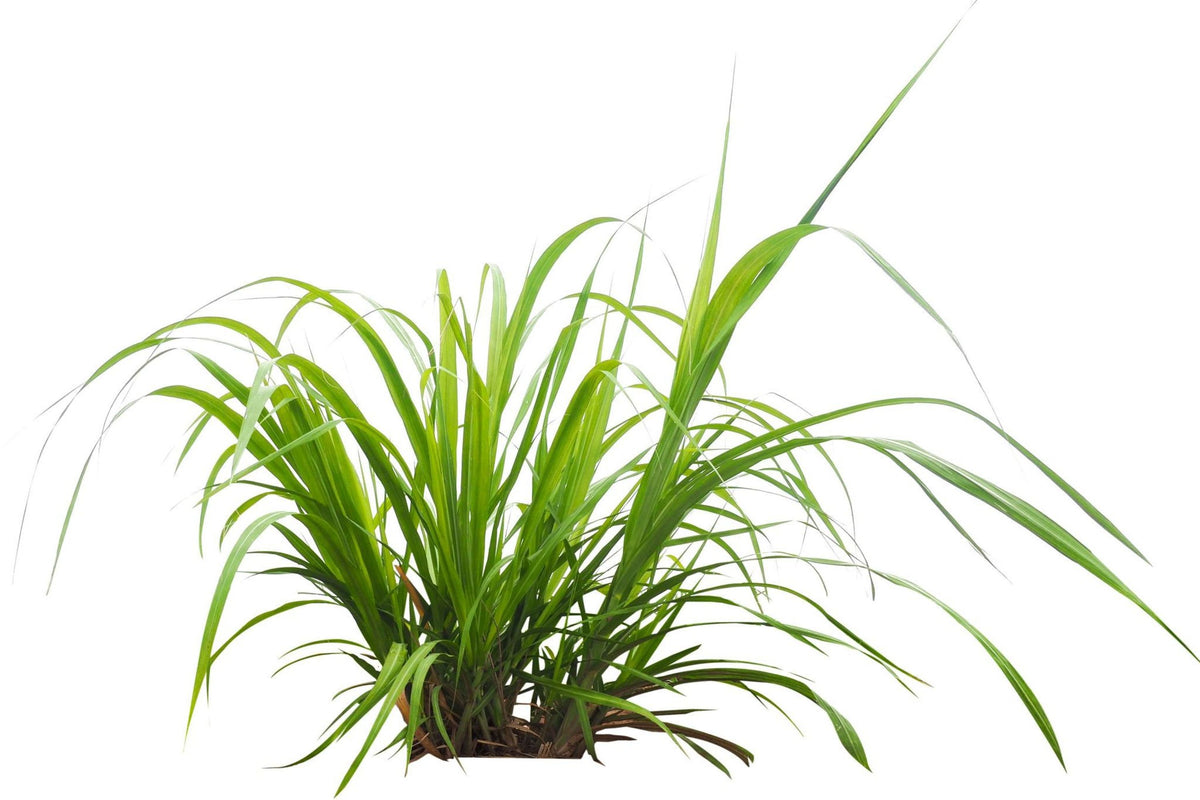
Palmarosa oil is a fragrant essential oil extracted from a tropical grass, valued in skincare for its hydrating, balancing, and antibacterial properties, attributed to its high geraniol content and rose-like scent.
DESCRIPTION
Palmarosa, scientifically known as Cymbopogon martinii, is a perennial grass from the Poaceae family, native to India and Southeast Asia, where it thrives in warm, humid climates. Often called "Indian geranium" or "rosha grass," it’s closely related to lemongrass and citronella. In skincare, palmarosa oil is obtained through steam distillation of the plant’s fresh or dried leaves, yielding a pale yellow oil with a sweet, floral, rose-like aroma. Its primary active compound, geraniol (comprising 70–80% of the oil), along with linalool, limonene, and farnesol, gives it both therapeutic and sensory appeal. Palmarosa oil is a frequent addition to moisturizers, toners, cleansers, and serums, appearing on labels as "palmarosa oil," "Cymbopogon martinii oil," or "palmarosa essential oil." It’s prized in natural skincare for its ability to regulate sebum, soothe irritation, and enhance skin texture, making it suitable for oily, dry, or combination skin types. Its light, non-greasy nature integrates well into formulations, though it’s typically diluted (e.g., with carrier oils like jojoba) to prevent sensitivity due to its potency.
BENEFITS
Palmarosa oil provides several skincare benefits:
Hydration and Moisture Balance: Its humectant properties help retain moisture while regulating sebum production, hydrating dry skin and controlling oiliness for a balanced complexion.
Antibacterial and Antiseptic: High geraniol content fights acne-causing bacteria and prevents infections, making it effective for blemish-prone skin.
Skin Regeneration: It supports cell turnover and healing, reducing the appearance of scars, fine lines, and minor irritations, promoting smoother, healthier skin.
Soothing and Calming: Anti-inflammatory qualities ease redness and irritation, benefiting sensitive or stressed skin, such as from eczema or environmental damage.
Aromatic Uplift: Its rose-like scent adds a luxurious, calming sensory experience to skincare routines, enhancing product appeal.
Note: Palmarosa oil is generally safe but can cause irritation or allergic reactions in high concentrations or for those sensitive to essential oils. Dilution and patch testing are recommended, especially for sensitive skin.
SOURCE
Canada