



Phytocellular Technology
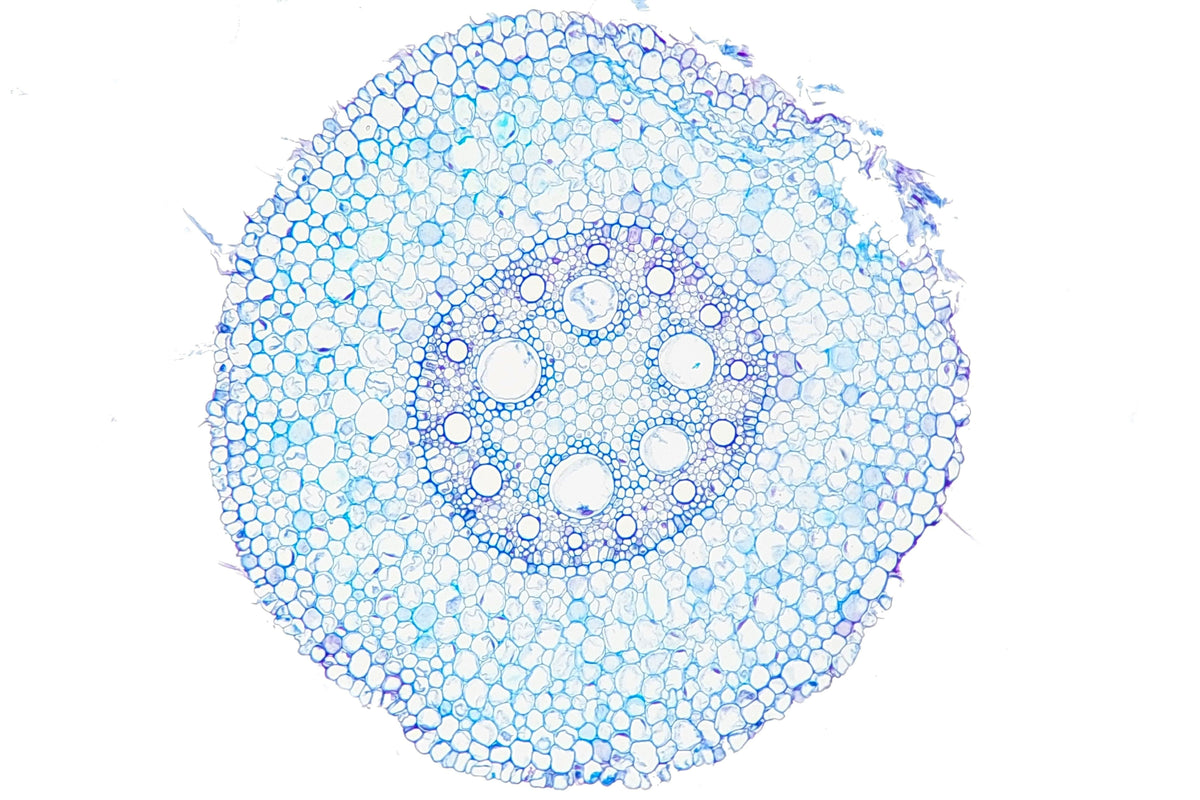
Phytocellular technology involves culturing plant and algae cells in bioreactors to produce bioactives, including Malus Domestica (apple stem cells) and algae like Laminaria digitata and Laminaria japonica from your list. It uses controlled conditions—light, nutrients, pH—to enhance biomass and compounds like polysaccharides, antioxidants, and growth factors.
DESCRIPTION
Phytocellular technology combines the principles of plant and algae cell culture to harness the biosynthetic potential of photosynthetic organisms for bioactive production. This method is applied to both algae (e.g., Laminaria digitata, Laminaria japonica) and plant cells (e.g., apple stem cells in PhytoCellTec™ Malus Domestica), as seen in your list under the "Stem Cell" category.
Algae Cell Culture Process: Algae like Laminaria digitata and Laminaria japonica are cultured in photobioreactors or open systems, optimizing conditions such as light (5,000–10,000 lux), temperature (15–25°C for Laminaria species), and pH (7–9, optimal at 8.2–8.7). Nutrient media (e.g., Guillard’s F/2 with nitrates, phosphates, and vitamins B1, B12) support growth, while CO2 supplementation maintains pH in high-density cultures. For Laminaria japonica, gametophyte clones are cultured in fed-batch systems, achieving logistic growth over two months before density limits growth. Harvesting involves filtration or centrifugation, yielding compounds like fucoidan (up to 34% dry weight), laminarin, and alginate, which are extracted for their bioactivity. [Ref web ID: 7] [Ref web ID: 17]
Plant Stem Cell Culture Process: For PhytoCellTec™ Malus Domestica, apple stem cells from the Malus Domestica variety are isolated from fruit tissue and cultured in bioreactors. The process starts with callus induction—stimulating plant tissue to form undifferentiated cells—followed by suspension culture in a liquid medium with sugars, growth hormones (e.g., auxins, cytokinins), and vitamins. Conditions are controlled (e.g., 22–25°C, pH 5–6) to promote cell division and metabolite production. The cells produce antioxidants (e.g., phenolic compounds) and growth factors, which are harvested via filtration and processed into a stable extract for skincare use. This method, developed by Mibelle Biochemistry, ensures a consistent supply of bioactives without relying on seasonal harvests. [Ref web ID: 0]
Shared Techniques: Both algae and plant cell cultures use bioreactors to scale production, with mixing (e.g., airlift or stirring) ensuring uniform nutrient and light exposure. Genetic selection enhances desired traits—high fucoidan in Laminaria japonica or antioxidant content in apple stem cells. The processes minimize environmental impact by reducing wild harvesting, as seen with China’s 6 million tons of cultivated Laminaria japonica annually. [Ref web ID: 8]
Ingredients from Your List:
PhytoCellTec™ Malus Domestica (Stem Cell category): Uses plant stem cell culture to produce apple-derived antioxidants and growth factors.
Laminaria digitata and Laminaria japonica (Plant Extracts category): While not explicitly cultured in your list, these algae are commonly grown using algae cell culture in industry to produce bioactives like fucoidan and laminarin.
BENEFITS
Sustainable and Scalable Production
Phytocellular technology reduces reliance on wild harvesting, as seen with Laminaria japonica (6 million tons cultivated yearly), ensuring a consistent supply of bioactives like fucoidan without depleting natural resources.
High Yield and Purity of Bioactives
Controlled conditions yield concentrated compounds—e.g., fucoidan (34% dry weight) from Laminaria japonica and phenolic antioxidants from PhytoCellTec™ Malus Domestica—with higher purity than wild extracts, improving efficacy in formulations.
Consistent Quality Across Batches
Bioreactor precision ensures uniform metabolite profiles, such as alginate with specific M/G ratios in Laminaria digitata or growth factors in apple stem cells, unlike wild-harvested materials that vary seasonally.
SOURCE
Canada