Pomegranate
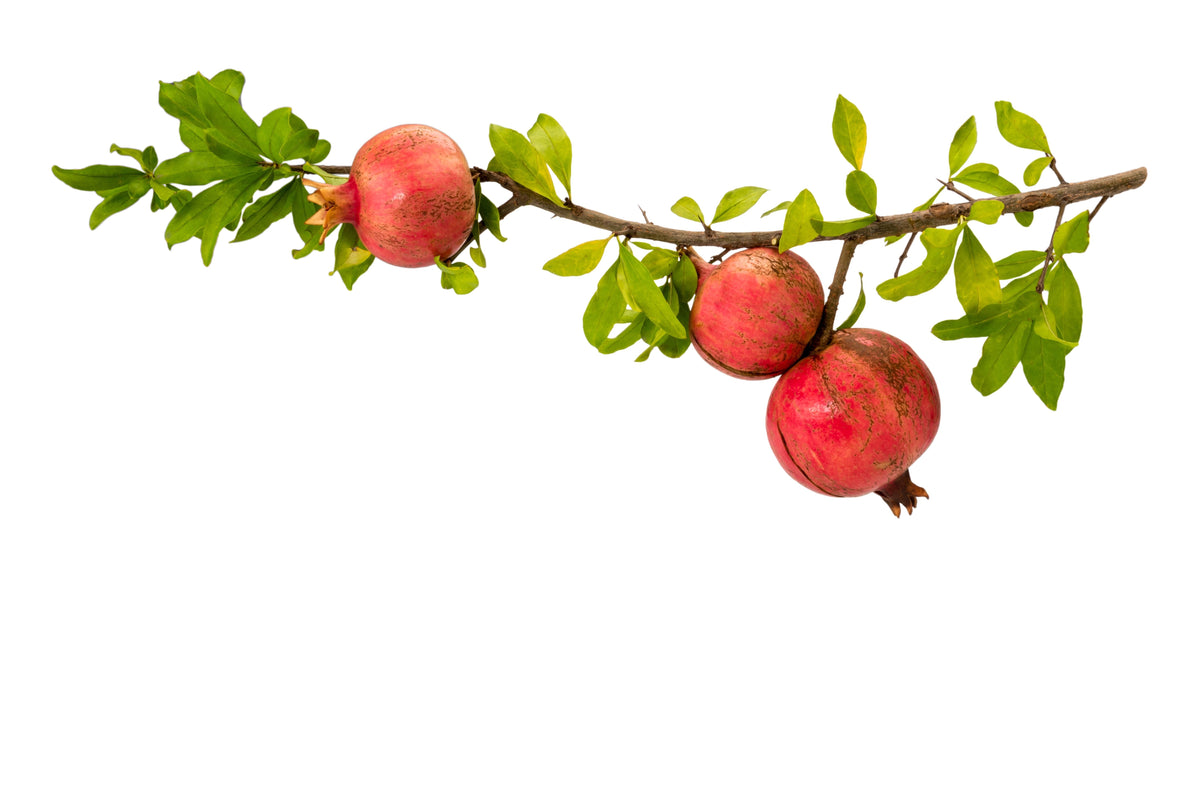
Pomegranate is a vibrant fruit used in skincare as an extract or seed oil, prized for its antioxidant, anti-aging, and nourishing properties, fueled by its rich content of polyphenols, punicic acid, and vitamins.
DESCRIPTION
Pomegranate, scientifically Punica granatum, is a deciduous shrub or small tree from the Lythraceae family, native to Persia (modern-day Iran) and now cultivated across the Mediterranean, India, and California. In skincare, it’s used as an extract (from the fruit’s arils or peel via solvent or water extraction) or seed oil (cold-pressed from the seeds), capturing its potent nutrients: polyphenols (e.g., ellagic acid, punicalagins), vitamin C, and punicic acid (an omega-5 fatty acid, ~70–80% of the oil). It appears in serums, moisturizers, masks, and oils, listed as "pomegranate extract," "Punica granatum fruit extract," or "pomegranate seed oil." Known in ancient cultures as a symbol of vitality—think Persian and Greek mythology—pomegranate brings a tart, fruity scent and deep red hue to products, aligning with natural beauty trends. The extract targets aging and brightness, while the lightweight, silky oil hydrates without greasiness, making it versatile for all skin types.
BENEFITS
Pomegranate offers several skincare benefits:
Antioxidant Protection: Polyphenols and vitamin C neutralize free radicals, shielding skin from UV damage, pollution, and premature aging signs like wrinkles.
Anti-Aging: Ellagic acid and punicalagins boost collagen production and elasticity, firming skin and reducing fine lines for a youthful look.
Nourishing: Punicic acid in the seed oil hydrates and repairs the skin barrier, softening dry or damaged skin without clogging pores.
Brightening: Vitamin C and antioxidants fade hyperpigmentation, dark spots, and dullness, enhancing radiance and evenness over time.
Anti-Inflammatory: Soothes irritation and redness, calming stressed or sensitive skin, with benefits for acne or environmental sensitivity.
Note: Pomegranate is gentle and non-comedogenic, but those with fruit allergies should patch-test. The oil absorbs well, though the extract’s acidity (from vitamin C) may tingle on sensitive skin in high doses.
SOURCE
Canada