Tea Tree
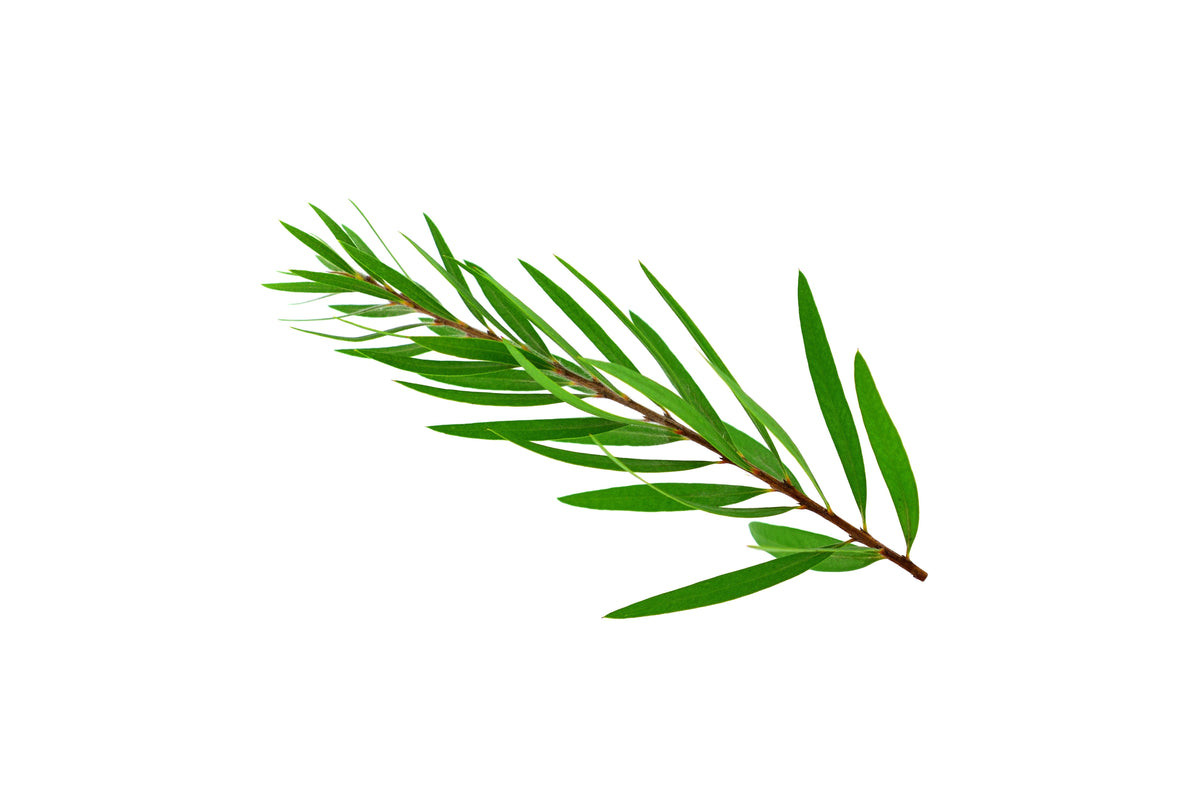
Tea tree oil is a potent essential oil distilled from the leaves of the tea tree, renowned in skincare for its antimicrobial, anti-inflammatory, and clarifying properties, driven by its high terpinen-4-ol content.
DESCRIPTION
Tea tree, scientifically known as Melaleuca alternifolia, is a small tree or shrub from the Myrtaceae family, native to the coastal regions of Queensland and New South Wales, Australia. In skincare, it’s used as an essential oil, extracted through steam distillation of its narrow, aromatic leaves, producing a pale yellow oil with a strong, medicinal, camphor-like scent. Its key active compound, terpinen-4-ol (typically 30–40%), alongside cineole, limonene, and other terpenes, gives it powerful therapeutic effects. Tea tree oil appears in cleansers, spot treatments, toners, and masks, listed as "tea tree oil," "Melaleuca alternifolia leaf oil," or "tea tree essential oil." Used by Indigenous Australians for centuries to treat wounds, it’s now a global skincare staple, especially for acne and oily skin, aligning with natural remedy trends. Its potency requires dilution (often with carrier oils like jojoba) to prevent irritation, making it a targeted rather than all-over ingredient in formulations.
BENEFITS
Tea tree oil offers several skincare benefits:
Antimicrobial: Terpinen-4-ol fights acne-causing bacteria, fungi, and viruses, clearing blemishes and preventing breakouts, ideal for oily or acne-prone skin.
Anti-Inflammatory: Reduces redness, swelling, and irritation, soothing inflamed acne, razor bumps, or minor skin irritations.
Oil Control: Helps regulate sebum production, minimizing excess shine and unclogging pores for a cleaner, balanced complexion.
Healing: Supports recovery of minor cuts, burns, or blemish scars with its antiseptic properties, promoting clearer skin over time.
Purifying: Cleanses and detoxifies skin, removing impurities and maintaining clarity, especially in congested areas like the T-zone.
Note: Tea tree oil is effective but can cause irritation, dryness, or allergic reactions if undiluted or overused, particularly on sensitive skin. Patch testing is essential, and it should be avoided near eyes or in high concentrations.
SOURCE
Canada