Ylang-Ylang
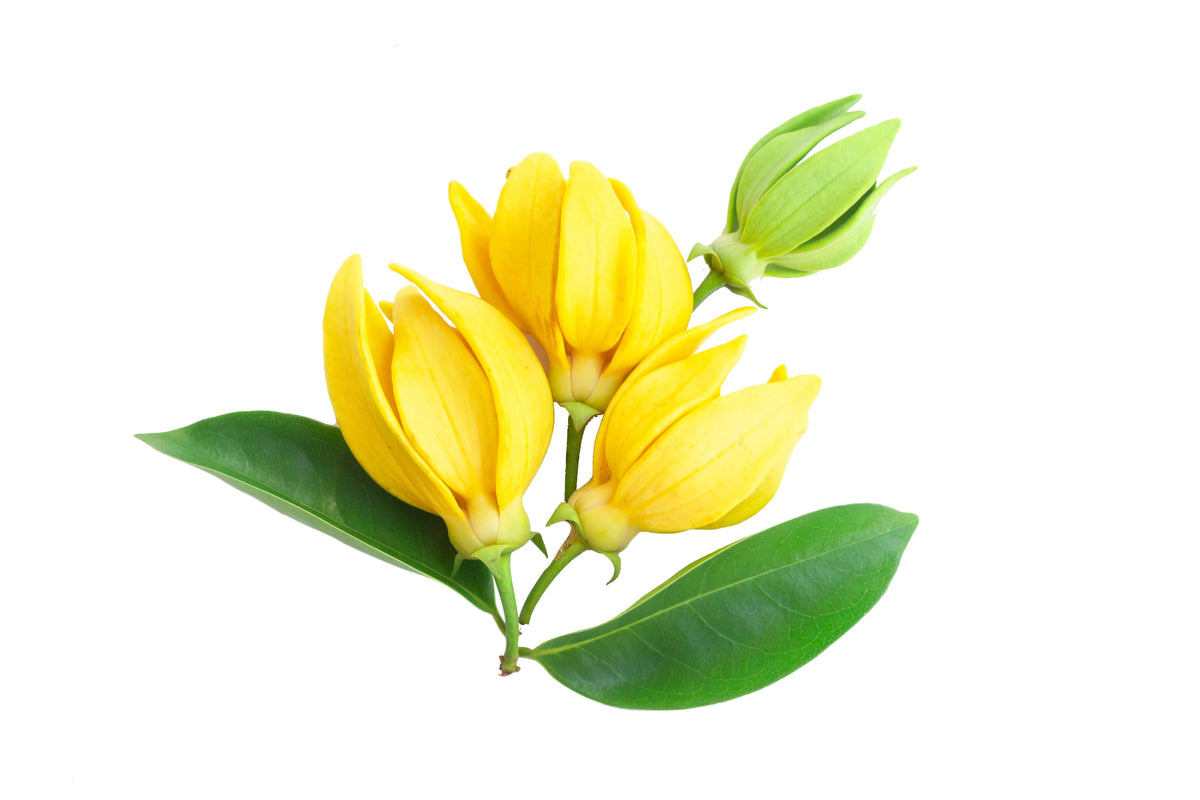
Ylang-ylang is a tropical flower used in skincare as an essential oil, prized for its balancing, soothing, and aromatic properties, derived from its rich blend of linalool, geranyl acetate, and benzyl compounds.
DESCRIPTION
Ylang-ylang, scientifically known as Cananga odorata, is a fast-growing tree from the Annonaceae family, native to Southeast Asia, including Indonesia, Malaysia, and the Philippines, now cultivated in Madagascar and the Comoros Islands. In skincare, it’s used as an essential oil, extracted through steam distillation of its star-shaped, yellow flowers, producing a golden oil with a sweet, floral, slightly fruity scent. It’s rich in active compounds like linalool (up to 20%), geranyl acetate, benzyl acetate, and sesquiterpenes, varying by distillation grade (e.g., Extra, I, II, III). It appears in creams, serums, oils, and toners, listed as "ylang-ylang oil," "Cananga odorata flower oil," or "ylang-ylang essential oil." Known in perfumery for its exotic fragrance—think Chanel No. 5—ylang-ylang brings these sensory benefits to skincare, alongside therapeutic effects rooted in aromatherapy traditions. Its light, balancing nature suits oily and sensitive skin, though its potency requires dilution (e.g., with carrier oils) to avoid irritation.
BENEFITS
Ylang-ylang offers several skincare benefits:
Balancing: Regulates sebum production, reducing excess oiliness while preventing dryness, ideal for oily, acne-prone, or combination skin.
Soothing: Linalool and geranyl acetate calm irritation, redness, and stress-related sensitivity, benefiting reactive or inflamed skin.
Antioxidant Protection: Sesquiterpenes neutralize free radicals, protecting skin from environmental damage and supporting a youthful complexion.
Moisturizing: Enhances hydration when blended with emollients, softening skin without greasiness, contributing to a smooth texture.
Aromatic Uplift: Its rich, floral scent reduces stress and elevates mood, adding an aromatherapy boost to skincare routines.
Note: Ylang-ylang is generally safe when diluted but can cause irritation or headaches in high concentrations or for those sensitive to strong fragrances. Patch testing is advised, and overuse may lead to sensitization.
SOURCE
Canada